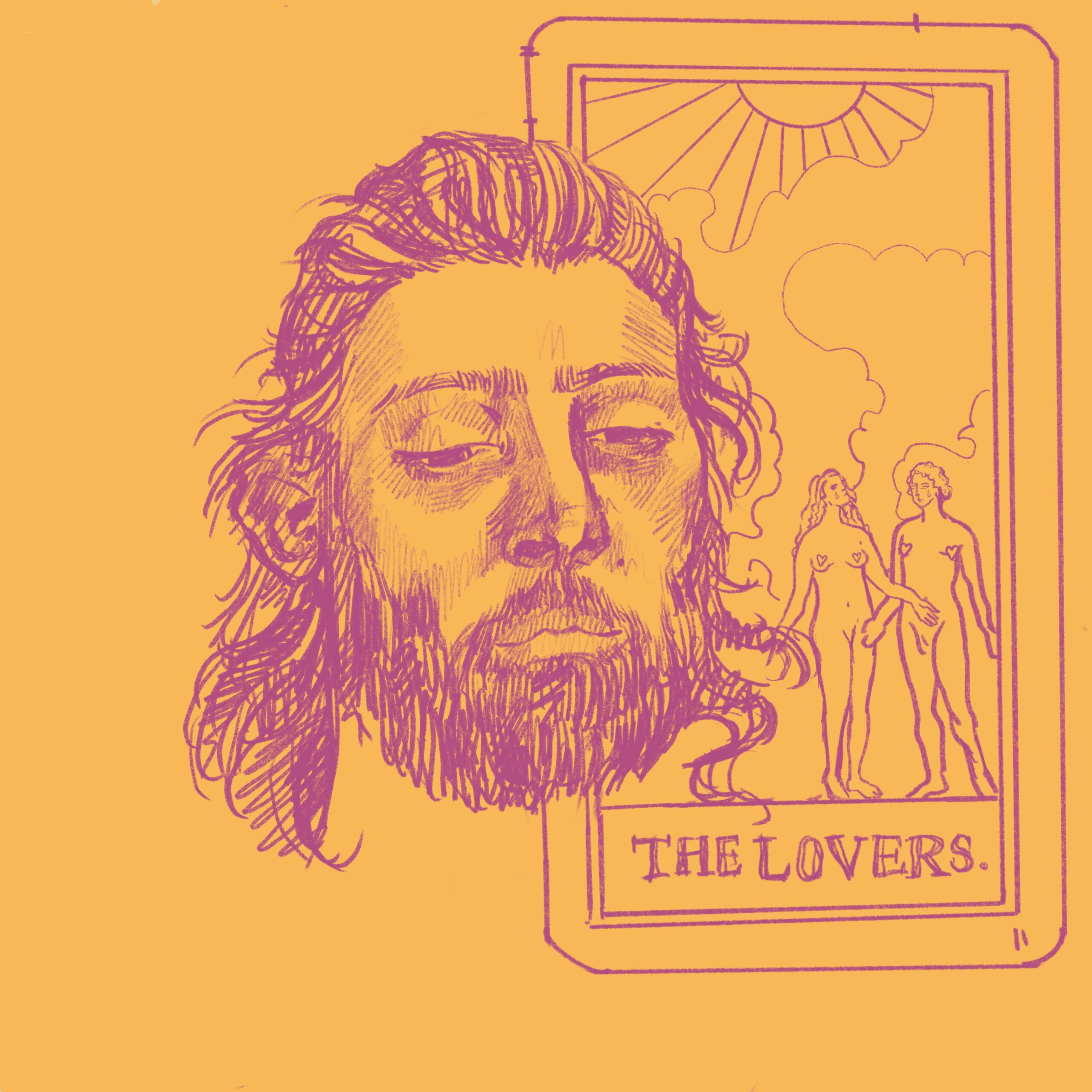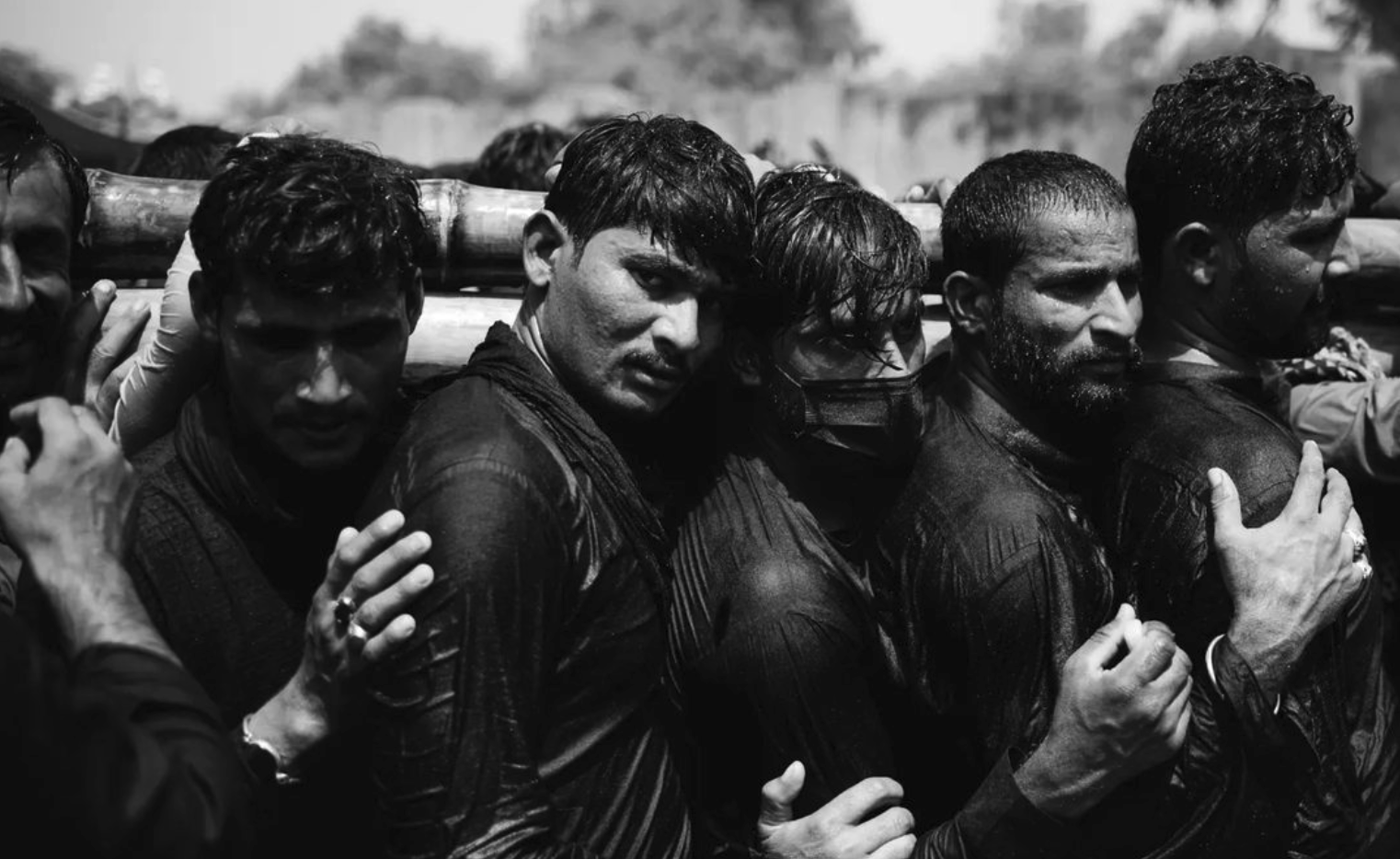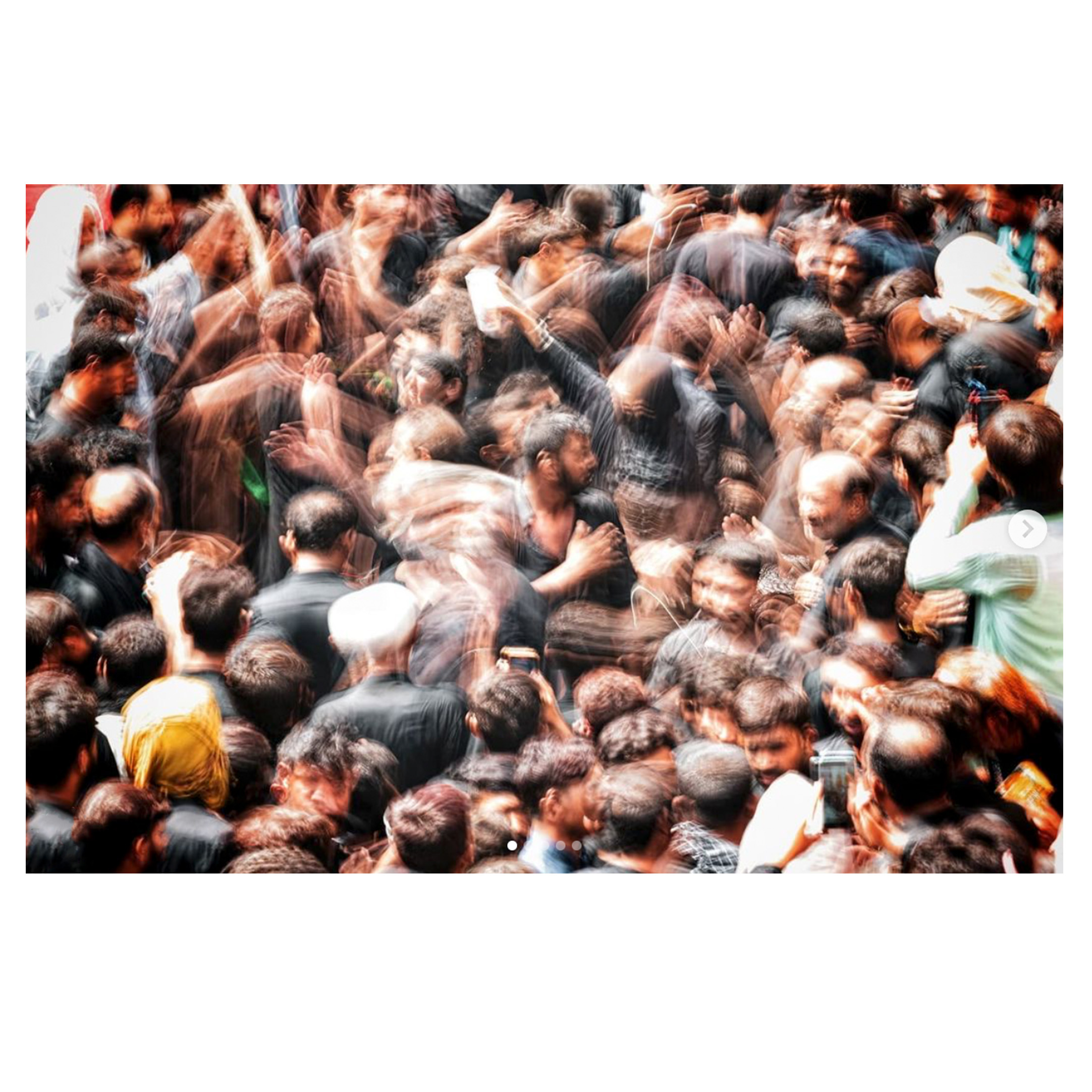
All posts by moaz

The Essay is A Kind of Fieldwork

Duration is a form of knowledge – it is not an obstacle to progress. Of course I say that, my last essay that I made public was in February of 2024. And 14 months later I am all the better for it. 2024 was a year of questioning. It was a year of answers. It was a year of regrets. It was the year of mammoth, alien love. An impossible, towering thing. 2024 was the year new dreamworlds revealed themselves to me, were spilled into me. Spilled out of me. All at once leaving me welcomed and wary. It was the year I played chasing tails with my own shadow. We have since arrived at an (uneasy) truce. But there are other shadows I chase still – not all of them mine. This is an essay about writing essays about that which was never built for arrival. About a stitching together of fragments, about recountings of fleeting atmospheres. Unhurried conditions and unfinished moods. They move through me now without asking for permission, these shadows. Some are inherited through relentless remembrance of that which refuses to resolve. Others disguise themselves as clarity and yet resist naming. They linger slowly in rituals, soaking up tenderness from the material. As I melee my way through the notes for this essay, I see that parts of it were compiled with the ambition to become a New Year’s essay. But that shape of work, evidently, was met with staunch refusal. It asked not to be concluded, only continued. Not so much as a reflection but rather, a recursion. A looping back that seemed to have changed each time I returned to it. And so this – this became the method. To dwell in the unfinished. To let the work arrive late, or not at all. 

This is an essay about writing essays about a centuries old world (albeit it omits, for now, the rituals of gatekeeping these essays)—aworld that began revealing itself to me not through mastery, but through upheaval. Through unprecedented unlearning. In December of 2023, I entered the Pakistan Photo Festival Fellowship as a documentary photographer, with nearly a decade and a half of orbiting Shia spaces of remembrance in Pakistan—recording, preserving, consuming, and occasionally publishing what I understood, then, to be “work.” I arrived already steeped in archives, worn with familiarity. But by the fourth week of the workshop, as I struggled to articulate what newness I could offer, a close friend asked me to look away from it all. To start over. I took the suggestion seriously, if not easily. So then, quite conclusively it seemed, I decided I wanted to trace a quiet cultural shift I had observed among young Pakistanis: the decentralization of religious authority through platforms like YouTube and TikTok. I was interested in how virtual accessibility to sermons, ziyarats, and sacred histories was opening pathways for self-led inquiry—how it was loosening the grip of sectarian politics and allowing many to return, with fresh eyes, to the histories, spiritualities and memory once withheld from them.

At the time, I believed I was turning outward. Stretching myself toward new horizons, new tools, new communities. But the truth was far less linear, and far more intimate. I wasn’t meant to look further—I was meant to look deeper. What I had mistaken for the edges of the archive were merely its thresholds. The world I had spent years documenting had been holding its breath, waiting for me to arrive differently. And when I did—when I slowed down, when I stopped treating the unseen as metaphor, when I allowed what had once been left outside the frame to guide the frame itself—it began to open. Not with spectacle, but with silence. With dreams, with whispers, with refusals. I wasn’t discovering a new world. I was being returned to the same one, layered and saturated, its unseen dimensions rising up to meet me. 

As “A World Unseen” began to take shape – if shape is even the word – I found myself unable to make it fit inside the frame of a typical documentary or photojournalism project. For years I had moved through the documentary image like a loyal cartographer: documenting, captioning, compressing meaning into something legible, reproducible. I have always known how to tell a story. Dress it up, pitch it clean. To me the architecture of legibility is second nature, in ways. But something about this moment asked for a different grammar. And letting go, it turns out, is a brutal kind of devotion. Not dramatic or cinematic—just quietly, persistently painful. And so this wasn’t the kind of letting go that makes a loud exit. It was quiet, atmospheric. A slow disintegration of certainty. Writing stories, building imaginations word for word, was the oldest known form of creativity to me. And so ‘the essay’ was always there. Even when the documentary image carried more weight in my practice than the supporting text. But back then, the essay served mostly as support. It filled in, explained, expanded upon the visual. It moved alongside the work but didn’t necessarily shape its method. It was only later—through the long unlearning of what constitutes “documentation,” through the shock of discovering that time could be porous and form could be soft—that the essay began to take on a different shape. No longer a companion or an afterthought, it became the very field where the work lived and changed. Not documentation, but dwelling. Not proof, but presence. Not a statement, but an unfolding. Now, writing an essay is no longer about translating the visual into words. It is about tending to that which refuses to be translated. It is fieldwork not because it travels far, but because it stays—inside the ritual, inside the tension, inside the self. And this shift was not clean. It could not have been. It came with mourning: the loss of clarity, of the performance of “objectivity,” of the safety of form. But it also came with a new kind of fluency, one that moved at the pace of breath rather than publication. The process moved from documentation to something closer to encounter.

But even as the essays transformed—slowed down, softened, turned inwards—something else remained stubbornly rigid. The packaging. The need to name. To brand. To position. Something in me resisted. Or rather, something I’d internalized, something I couldn’t quite name at the time, kept pulling me back toward the surface. Toward clarity. Toward legibility. It happens even now. A relapse of sorts. Toward a version of “real” that is etched into me by years of working in media spaces shaped by Western logic. My career as a media development practitioner has been spent helping small, independent media outlets survive in a hostile landscape. Content diversification. Audience segmentation. Strategic framing. Revenue pipelines. All of it designed to help stories “cut through the noise.” And somewhere along the way, I began to turn those same tools on myself. I couldn’t see the work unless I could frame it. I couldn’t feel its weight unless I could explain it—name it, brand it, position it. I had unknowingly become fluent in the very grammar that made it impossible to speak from within my own center. Under the guise of professionalism and creating real world knowledge, how deeply this colonial conditioning had (has) convinced us that stories only mattered when they were made palatable to a certainaudience, branded according to a certain method, and made all too easily consumable. This was the other major unsettling after the fellowship in December 2023. And it also just so happened, that this fellowship about photojournalism came to me at the same time when the myth of Western liberal media ruptured slowly, and then all at once as the war on Palestine laid bare the violent limits of objectivity, neutrality and progress. I, too, had been upholding the scaffolding. To this day I find myself trying to make something sacred bend to the rules of ‘realness’ and visibility. And so the tension grew. This project, this collection of essays and portraits and collages that use AI to build dreamworlds, this archive-in-the-making—refused to be named in the ways I had been trained to name. It wasn’t born out of clarity. It came as a haunting. The first time I departed from the working title of ‘A World Unseen’ happened at Mochi Gate in Muharram of 2024. If you are familiar with my short essay titled The Jinns of Mochi you will understand why I say it came as a haunting. 

I was standing on the same balcony of the same Imam Bargah in the Kashmiri Mohalla where thousands of Muslims converge every year on the eve of Ashura to commemorate the moment before the moment, the final dawn before the battle of Karbala begins. This is done so through a very unique azaan (call to prayer) for Fajr. As soon as the azaan is called, there is ritual matam and zanjeer-zani. The world erupts through this rare, piercing azaan followed instantly by the eruption of matam, zanjeer-zani, a collective cry that tears through the dark. It is not just a remembrance. It is a summoning. That morning, as I stood there—sleepless, breath held, eyes scanning a crowd that already knew what was coming—I realized what it meant to invoke the heavens. What it means to say Karbala is not history, but Karbala Mualla: Karbala, the exalted. Karbala, a piece of heaven. And so even here—at a balcony above Mochi Gate, in this bruised and overburdened city—a place so far from the banks of the Euphrates, Karbala is not merely remembered. It is invoked. What is lost is not simply mourned. But called forth is what which remains Eternal. Through the ritual act—through breath and blood and rhythm—heaven is summoned into the streets. That was the moment the project found its name, then. Invoking the Heavens. But even Invoking the Heavens began to feel like only a partial truth. A thread, not the tapestry. As the worlds I was witnessing—dreamt, ritualized, lived—began to multiply, I found myself up against the limits of language again. Because what I was encountering could not be contained by invocation alone. These were not only glimpses of divinity or rupture through ritual. They were entire cosmologies, emerging in fragments, folding into each other. Worlds breaking open inside the present. Worlds refusing to stay buried. Part of it was also the perpetual self-surveillance.

And it was then, in sitting with the impossibility of naming, that another horizon revealed itself. I began thinking of the idea of the worlds to come not just as metaphor, but as method. As something real, already arriving. What is the return of the Imam if not the ultimate arrival of another world? What is a dream, if not a world that insists on its own reality? A miracle—a world to come. A rupture in logic—also a world to come. Each encounter, each transmission, each glitch in the fabric of the everyday, announcing that something else is possible. That the veil is thinner than we think. These worlds do not exist somewhere else. They are not deferred. They bleed—sometimes quite literally—into the here and now. My work is full of blood because blood is the motif that reminds us that the sacred is not sterile. It is not abstract. It stains. It spills. It insists on being remembered.

And so it became clear: the essay, too, had to evolve. It could no longer function as a vessel of neat conclusions or retrospective coherence. It had to hold the same multiplicity, the same porousness, that I was encountering in ritual, in memory, in dreams. If fieldwork is a mode of presence, of attention, of immersion, then this—this writing—was my fieldwork. Because to write this way is to be in the field—not of anthropology, but of inheritance. Not of method, but of intuition. Not to know, but to stay. To stay with the tremble. To stay with the not-yet. To stay with what still asks to be believed. This essay is not about the worlds to come – it is one. 

Miracle-observation-2

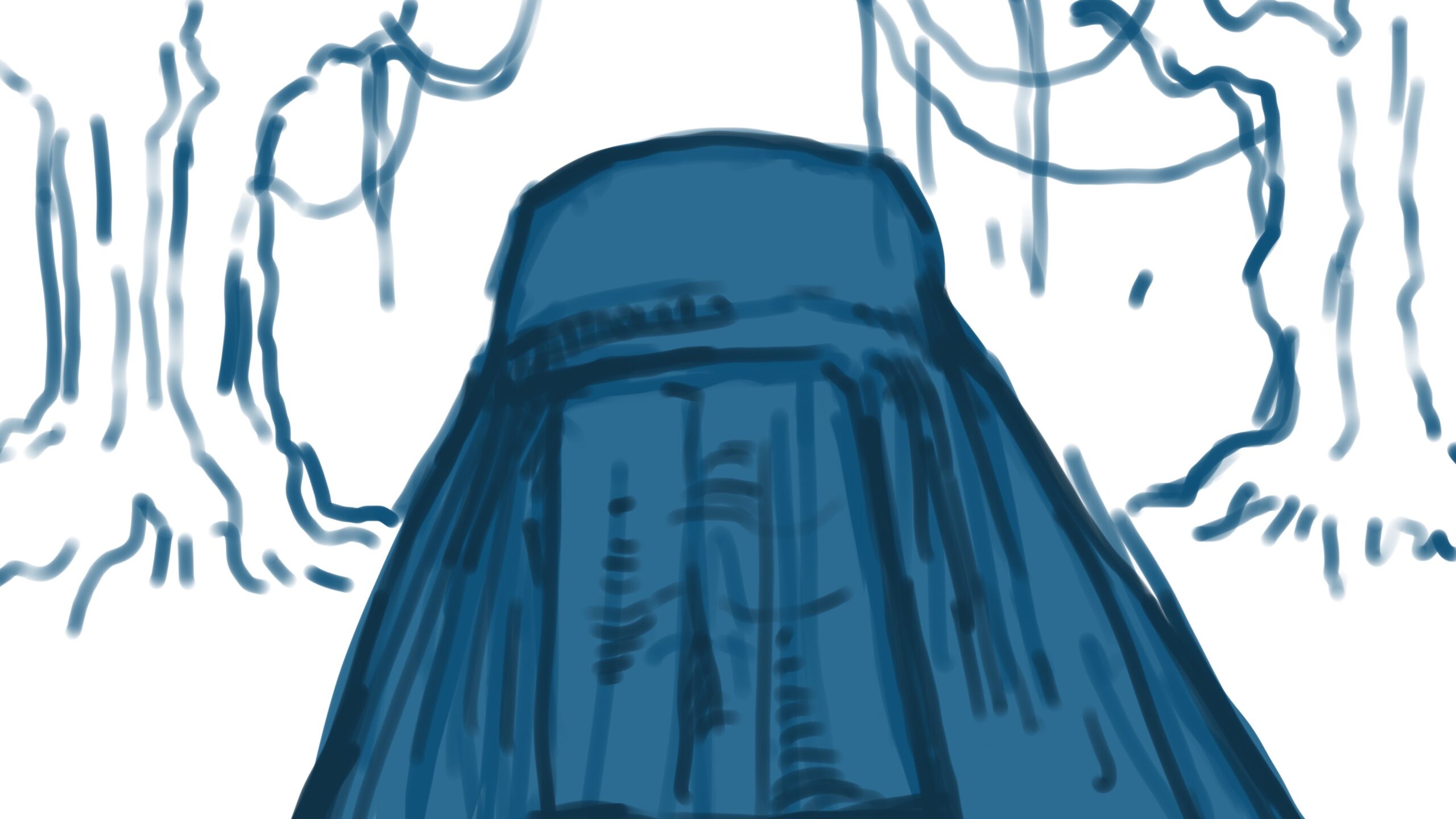
These sketches are part of an ongoing visual exploration of Shia social memory, ritualistic thought and identity, through investigating miracles, dreams, and super natural encounters from the beyond.

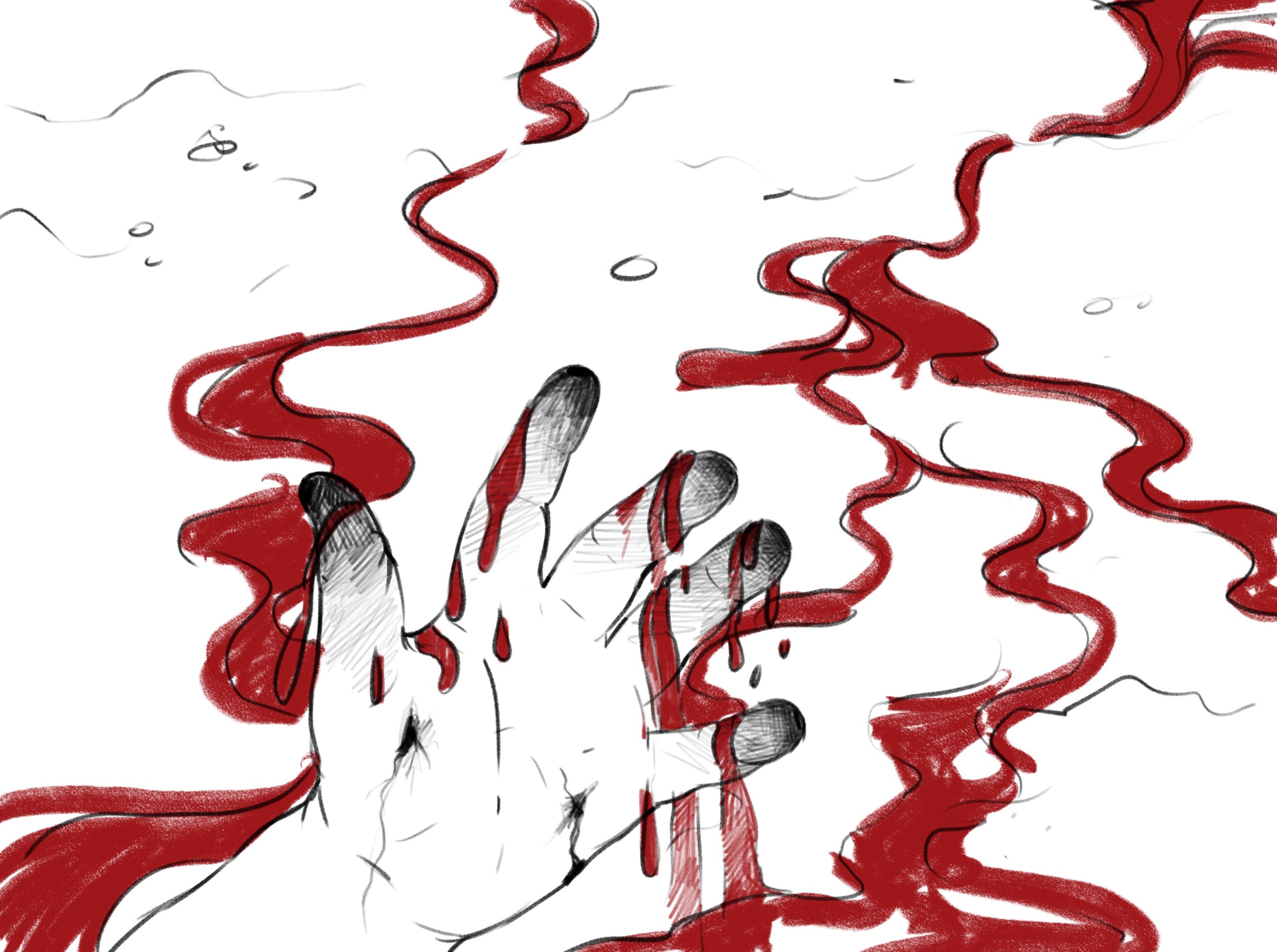
Sketch: 10th Muharram 61 AH – Sakina and the blood of Banu Hashim, the Prophet Muhammad’s clan, mixing in the scorching sand of Karbala.

Sketch: The tasbeeh of Gulistan e Zahra, Abbott Road Lahore, hovering in the courtyard, waiting for its beads to bleed.

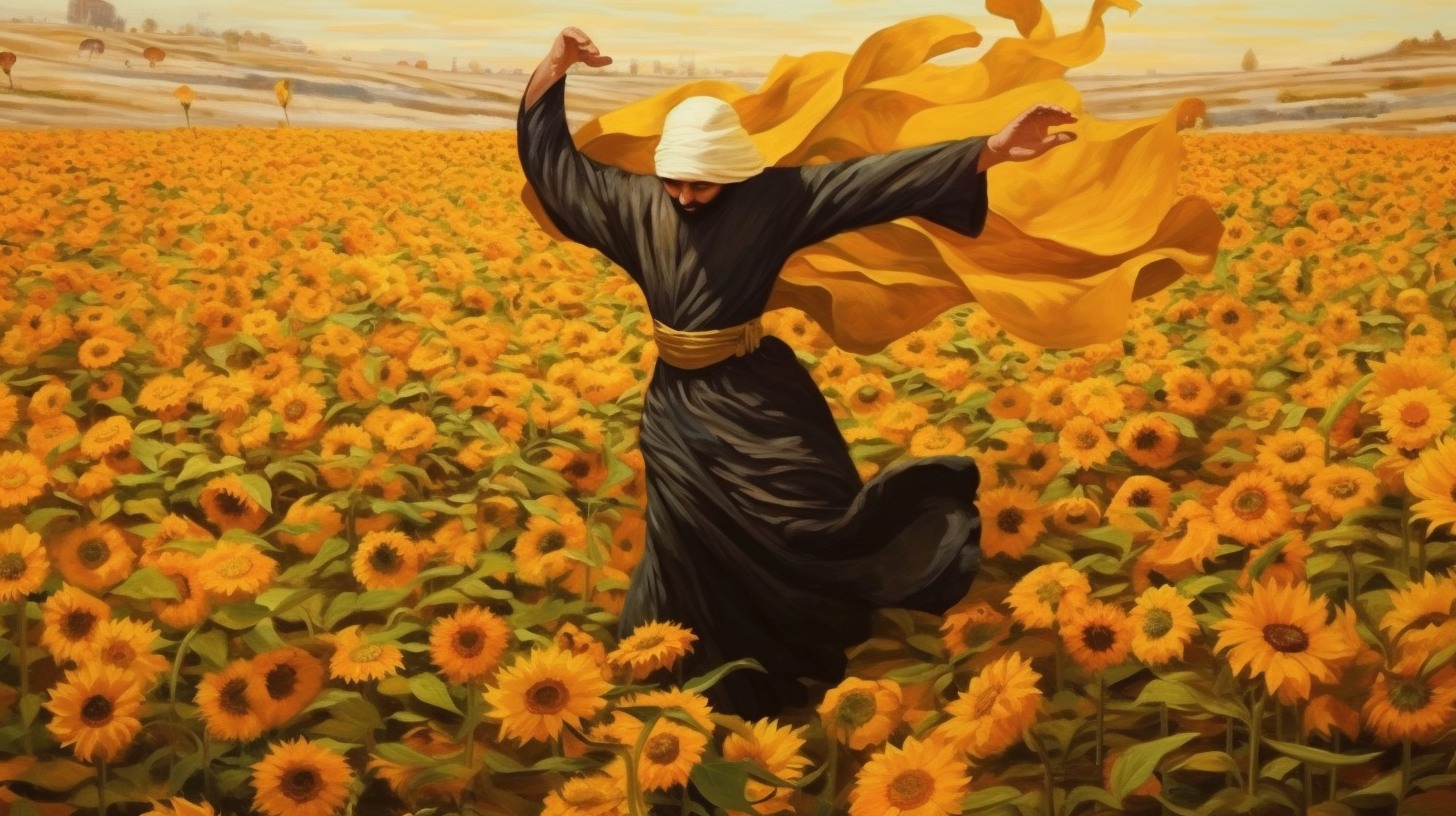
Sketch: Concept for collage portrait of a devotee mid air, elevated from the ground through the piety of love.

Sketch: Fading memories of a dream about the death of a child, and his mourning mother.

All digital sketches are generously drawn by Rameen Rizvi.

Lately just wanna fly

Lately just wanna fly.

I need to be everywhere and do everything and know everyone. But as soon as I get there and do everything and know everyone I need to be everywhere else and do everything else and know everyone else. It never stops. I may finally be coming to the stone cold realization that this is no desire to get somewhere else as much as it is the need, the instinct, to just not be here. Here. Right now. Where I am. Who I am. Was I always like this? 

Despite all my abundance of energy and tendency for mental gymnastics, I cannot figure this one out. 

Despite mostly winning (in my current phase of life) from the near perpetual state of being that needs me to fly, I’m not feeling well. I keep myself grounded in reality and normalcy and righteousness and safety and never pay heed to my fantasies, to my visions of white skies above a silver horizon of snow capped mountains. To the soft breeze gently kissing my forehead, running through my hair. I never dwell in my dreams of constantly moving. Dream of constantly trying to get higher and higher. I don’t give in, I have never given in to thrill and verve and the desire for constantly searching for new warmth. My feet are on the ground but my head is under it, it feels. There is a stillness and a slowness around me. But I’m dizzy. Comfort is in endless supply but I’m perpetually tired. Why am I like this? 

I have memories of a different me. Another, alternative, younger, kinder, softer. Sometimes in the quiet light I feel his presence behind me and I turn to look. And he’s always there. Fully awake. Wide eyes. Still. Sometimes we don’t even exchange a glance. Sometimes we sit together for hours and read through volumes of memories long gone, long forgotten. So many dreams and stories and lived experiences and adventurous encounters with the universe. So many gifts exchanged. So many wonders in promise. Richness. Depth. Unknowns. And now I’m in a fever-dream aquarium for the same universe to quietly, simply observe from a distance and throw in the occasional treat to ensure minimum survival. But I feel like a fish out of water. 

Lately just wanna fly.

From oceans of Light

Among Shia works of the Safavid era, Baqir Majlisi’s writings (his most popular work is the Bihar al Anwar, 10th century collection of Ahadis) on Karbala are characterized by an insistence on the predestinarian quality of Imam Hussain’s sacrifice.

In the chapter “The ways in Which God informed his Prophets of the forthcoming martyrdom of Hussain” – Majlisi relates a Hadith (a report concerning deeds and sayings of the Prophet and his family) to the effect that Umm Salamah, the Prophet Muhammad’s wife, entered her husband’s quarters one day to find him weeping and clasping his infant grandson Hussain to his breast. Alarmed, Umm Salamah sought the reason for his distress, and her husband replied that he had just been visited by the angel Gabriel, who had announced to him the future martyrdom of Hussain. Umm Salamah suggested, “O Prophet of God, ask Him to lift this fate from Hussain.” Muhammad replied: “I have already done so. But God has revealed to me that Husayn will attain to a spiritual rank never reached by any other created being. Furthermore, he will have a Shiah, a band of followers, who will attach themselves to him in devotion, and who will therefore benefit from his intercession on their behalf. In addition, the Mahdi will be one of his descendants.”

To support his view of Karbala Majlisi subjected passages of the Quran to ta’wil, the process of reading scripture with an eye to its esoteric meaning. In doing so Majlisi articulated a typology in which events from ancient history could be seen to prefigure the life and death of Hussain. In the Bihar al-anwar Majlisi expands the Quran’s relatively brief references to Noah and the Flood so as to establish a link with Karbala. Majlisi’s account has Gabriel descend from heaven to direct Noah in the construction of the Ark. First Noah, in accordance with divine instructions, hews lengths of teakwood for planking. The angel then hands Noah a chest filled with nails to be used in the ship’s construction. When the vessel is finally completed, five nails remain in the chest, each of them aglow with a curious light, “just as the glittering stars give forth light on the horizon” (an echo of the celebrated “light verse,” Quran 24.35). Intrigued, the patriarch asks about these spikes and learns that they symbolize the Prophet Muhammad, his daughter Fatima, her sons Hassan and Hussain, and her husband Ali.

One nail in particular draws Noah’s attention, for it glistens as if wet with dew.
“This is blood,” Gabriel explained; and he told Noah the story of Hussain and of what the members of his own Muslim community would do to Hussain in the future. The angel instructs Noah to fasten all five spikes to the forepart of his teakwood vessel. This is an appropriate symbolic action, for the Ark typologically foreshadows the salvific action of the Imam’s family: like the Ahl-e Bayt (the members of the Prophet’s household), this vessel becomes the means whereby a righteous minority achieves deliverance from a fallen world. Knowledge of the esotericist linking of the Flood with Karbala is by no means limited to an educated few: in Shia shrines as far apart as Damascus and Hyderabad, inscriptions proclaim, “Hussain is the lamp of guidance and the Ark of salvation.”

Miracle-observation-1

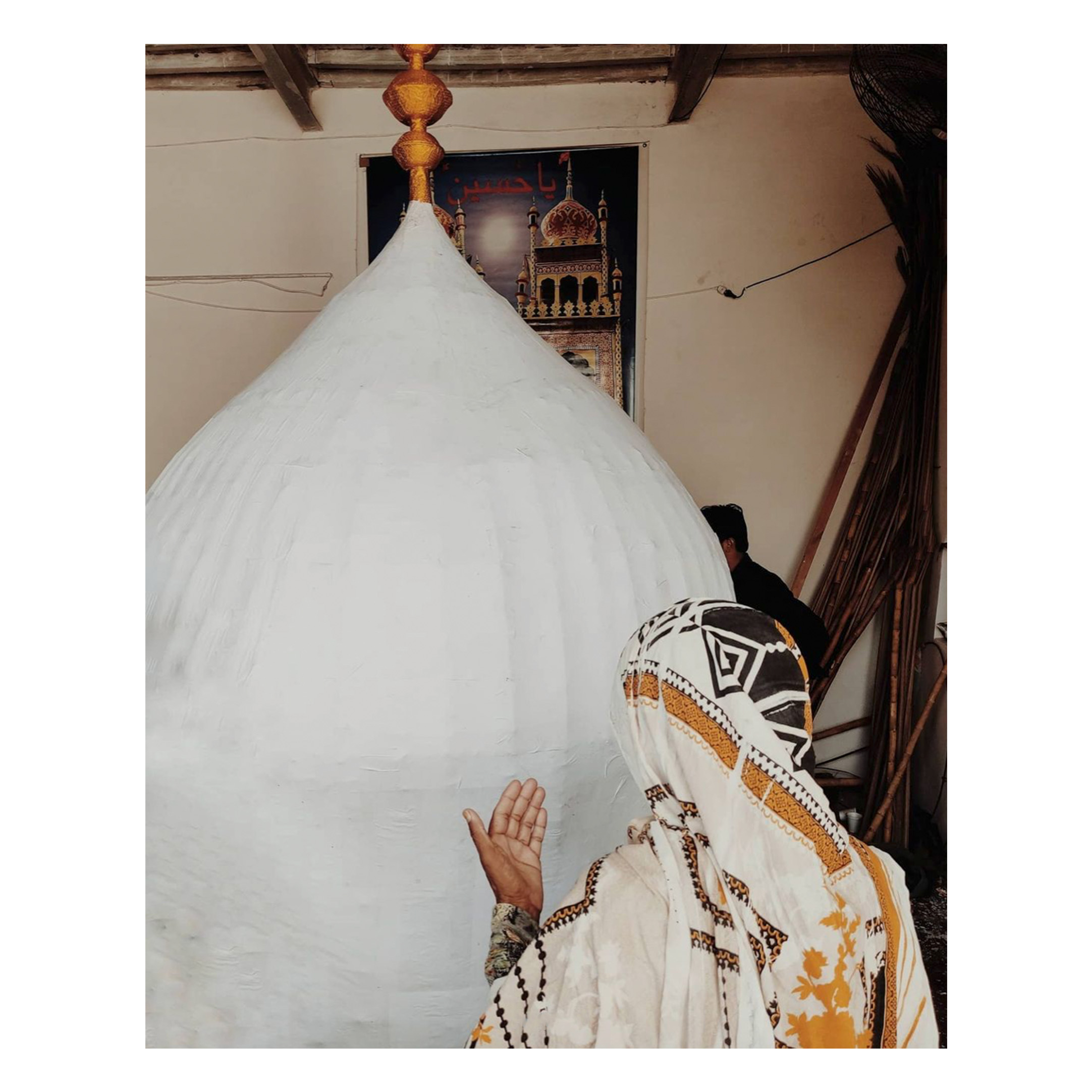
A shabeeh (replica or mimic) Zuljennah – the horse of Imam Hussain – surrounded by mirrors.

Inspired by the tradition from Mubarak Haveli in Mochi Gate Lahore, where each year before the Ashura procession on the eve of 9th Muharram, the horse is shown a mirror in order to reveal the stature or depth of its identity to itself. The horse is made aware of the legendary ancestor, the Zuljennah of Imam Hussain, that it is being associated to.

There have been numerous personal accounts of miraculous sightings of the Zuljennah’s rider, Hussain himself, atop the shabeeeh. Often, as miracle-observers have reported, the rider they have caught in fleeting moments is headless. Hussain was decapitated after being killed in the battle of Karbala.

No-one carrying a Taboot (funeral). Inspired by the heavy weight metallic replicas of funerals of martyrs of the battle of Karbala.

The arrival of Sobhan in the court of Ali – Kufa.

Sobhan and Ali in dialogue – what ensued between man and djinn on this occasion would go on to define an allegiance of legends for centuries.

All digital sketches drawn by Rameen Rizvi.

My Illusion of Stability

There’s mustard growing in the garden of the new house I just moved into. There’s also spinach, mint, radish, green beans, some variation of coriander or cilantro. Every morning, mere eggs at breakfast are now insufficient until one or more of the fresh greens are plucked from the garden and added to the mix. Usually, so far, it’s spinach in a cheese omelet. Both my parents grew up in rural spaces and had lifelong supply to their own vegetation growing around them at an arm’s length; to me it was testament to a profound permanence and safety; their tomatoes and chilis and greens and oranges and mangoes came from the same ground they came from. Consistently. Repeatedly. It was also great testament to Providence; and so it is to me every morning, when I slowly stir-fry and season my radiant green spinach with basil and oregano. There’s another, different lawn on the right side of the house, with sunflowers and lush grass. We have a gardener. Early most mornings, around 7 or 8am, I can feel his shadow outside the bedroom window that looks over the lawn. His Peshawari pakol and his long white beard make the outlines of his face. He waters the grass, the bush-plants that line the edges, the naive and needy-looking sunflowers on the other end. I don’t need to wake up just yet, I tell myself most mornings, and turn to the other side and fall back asleep.

Most of this previous year, however (my thirtieth year) was spent in a tiny two-bedroom apartment where the sun did not shine for a single day in all the 20 or so months I lived there. I witnessed that space from being a semi-furnished, male-smelling bachelor pad to a thoughtfully curated home with art and spices and vintage china and rugs and wooden furniture. Rarely was I ever alone in any one room in that apartment but when I was, I would look around and soak in the wonderfully simple but intimate life I was slowly building with my partner. Most of this previous year, the better part of, at least, her and my close friends have been asking me what I want to do for my thirtieth birthday. The big 3-O. And most of this previous year, as I live and breathe every moment with myself, the answer has always been I don’t want to do anything. Celebrating birthdays is an overdone, unnecessary, unremarkable cliché that at some point you have to get over – and I have. There’s nothing else to it. It’s just a random day out of the other 365 random days, most of which we fail to retain in memory, even. Birth-days are the same. And the sense of obligation that surrounds it is nauseating. I just remember the wine from my 29th birthday and the roast chicken from my 28th and the portrait my partner drew of me on my 27th and the massive, explosive panic attack I had while cutting the cake on my 26th. I don’t remember what I actually wanted on these days. I have no idea what the weather was like, don’t remember what I was working on then, who came or who did not wish me, don’t remember what the big tragedy or blessing of my life was on all those birthdays. I don’t remember if I was happy or not. But I do remember feeling dreadful. Feeling like I’ve missed the bus for everything. Feeling like the very short but unique and eclectic dream that is to be my life, is already had. It’s already lived. Passed. Past. And I am not any closer to becoming who I know or believe I am. I’m turning 30 in a week and every morning as I sip my tea and eat the omelet with my spinach, there is another guy, who looks exactly like me, standing in the corner of the living room where the sun is seeping in through the window. He watches me with growing questions, less and less answers. Most days I don’t have the courage to look him in the eye. I focus on the spinach.

‘The year between 29 and 30’ is the title of a delightful personal essay that a friend recently read out to me during which I found a sudden burst of inspiration to write a note on my own year between 29 and 30. Arguably the bravest thing I managed in this year was to have quit my 9-5. I have not gone into an office full-time since the last 3 and a half months. Unlike the younger me who was constantly browsing for different jobs I have also, since, said no to a couple of interviews and have slowly completely grown beyond the age in life where I am punching a clock all the time to fulfill another person’s professional goals; just to receive a handsome paycheck, that takes care of my bills within an hour one day in a month and compels me the rest of the 29 days to feel like I don’t really need to focus on my own goals and ambition. It was the one thing standing in my way before I had quit – the one thing that was stopping me from being a hundred percent focused and driven towards my own creative journey. Immediately after quitting I participated in a fellowship and went through some form of spiritual, psychological, even creative unsettling. The fully ripe fruits of the experience are yet to be tasted but I remind myself every day that patience ensures victory. I failed to write a single line for this essay on the day I actually started writing it. I sent two rather well-done applications for film grants during one week and I haven’t lifted a finger at all since then. It’s been 2 weeks. I lost a grandparent during these 2 weeks and experienced the first encounter with death of a nuclear family member; first encounter with death in my own household.

My 28th and 29th years, in retrospect, were not as eventful spiritually as this last year was. I started wearing a karra (bracelet) that has the Nad e Ali engraved on it. I even memorized the small prayer by heart and it’s now part of my daily Zikr. I don’t leave home without the bracelet now – it’s worn on my right wrist permanently. it’s a known symbol of the Shia culture; I spent so many years arguing that I don’t label myself after any individual sect of Islam but more and more this previous year I have owned and loved every aspect of my Shia identity. Sometimes I wonder if it’s religion – opium of the masses and all – or my faith, my unshakable faith in God and those He gave special divine status, that keeps my illusion of stability intact. Bad mental health, suffering in silence, running from confrontation, but at peace in my heart. My soul content. Solitary. Existing in its own silo and willing to go on solitary; but someone has to be let in at some point and shatter my illusion. Break the glass walls around me. Or maybe, just maybe, my out-of-body self whom I ignore every morning in my living room shatters my illusion daily during breakfast. And then every day in the coziness of my home, sharing life with a wonderful partner, surrounded by a community that values me, I spend every waking minute putting pieces of the illusion back together so that I can fall asleep one more night believing that this is fine. This is what I want. This will remain intact as it is; it should. That this is my path and I have made the right choices on this day and maybe tomorrow the other man won’t be there.

Maybe tomorrow I will pluck green beans from my garden and gently shallow-fry them in olive oil and season them with thyme and dip them in tomato sauce and have them with bread. And all this while maybe I won’t have to look over my shoulder for the undying, unforgiving gaze of Truth in the other man’s eyes who is waiting for me once again, sitting in the warm sunshine in the corner, next to the basket of oranges from last week that I promised my partner I would eat. Waiting for me to lock eyes with him and look at the truth face to face, that whether I am 30 or 50 or 90, I’m not ever going to hide from myself.

To his eyes alone am I naked in the warm glow of early afternoon. He alone brings with himself a myriad of reflections from days long gone that surround me like a halo and will never let me go, never let my illusion be.

Hussain is escorted from Karbala

Not far from the bank of the Euphrates, a child not older than 12 sits solitary in scorching desert sand with her legs crossed. Her head is uncovered, bare under the orange sky, for the very first time. Behind her, a dozen tents are set ablaze. She can feel the heat on her back – the sound of crackling embers and murmuring flames speak of those she set out of home with – but those she can’t find by her side in Karbala anymore. Those who are now fell. Her brothers, her uncles, her kin. Her father. At some distance she can see him – he’s turning into a mirage. Within an arm’s length she can feel him to be at times, but eons away when she reaches out for his embrace. Tall, burly figure. An imamah on his head that was once green, like the one his grandfather used to wear in Medina. But Sakina’s father’s imamah has turned red from all the blood. His broad back is overwhelmed, bent from all the arrows and spears. From where she is sitting in the sand, she is unable to count the number of wounds that are visible on her father’s body. But the blood dripping from his body has made its way through the sand, to where she is sitting. 

Sakina reaches out cautiously – this is her great-grandfather Muhammad’s blood, she thinks. The blood of the Seal of the Prophets. A legend comes to Sakina’s mind – the story of Gabriel appearing in the desert when an infant Muhammad was in the care of his foster-mother. Sakina is transported from the burning afternoon sun of Karbala to the cool night sky in the outskirts of Makkah. She can see Gabriel cleansing her great-grandfather’s heart in the dark of the night with Zamzam, and then sealing it back in its place inside Muhammad’s chest. This is the same blood, Sakina reminds herself as the tips of her bruised and withered fingers make contact with the blood of Hussain in the boiling heat of Karbala.

This is her grandfather Ali’s blood, she thinks. Muhammad’s brother, Waseeh, Allah’s Wali. The fountainhead of Muhammad’s progeny. A legend comes to Sakina’s mind; the remarkable story of Ali’s sword, Zulfiqar. When in battle, the Zulfiqar could tell who it was in combat against. It was said that even if a single person from the progeny of the Zulfiqar’s opponent had a Muslim Momin believer of Allah and Muhammad, Ali’s sword would not make the kill, would not shed blood. And muslims have now shed the blood of Hussain, the blood of Ali, the blood of Muhammad, Sakina thinks. She gently places her hand on the ground. The time for Hussain’s final Asr prayer has long passed. Strong winds from the east blow dust over the fallen bodies of Sakina’s family, sprawled across the desert. She becomes a little perplexed at a strange but brilliant glow rising over the horizon. Four illuminated figures surround Sakina’s father.

Hussain’s escorts are here, she tells herself. 

Above her, the sky splits into two.

Beneath her, Hussain’s blood has forever exhilarated the earth.

Jinns of Mochi

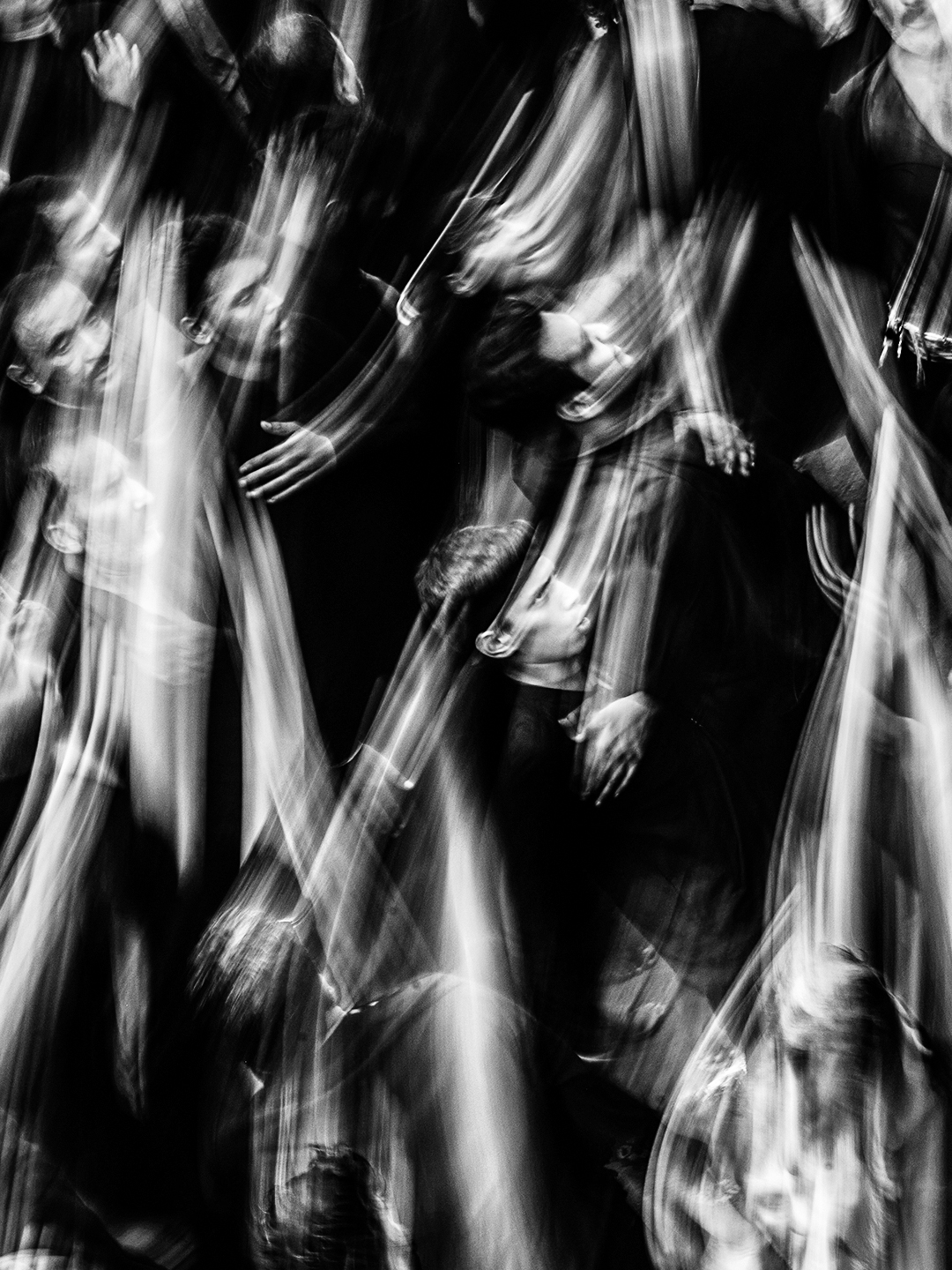
Clamor and sweat, commotion and suffocation, uproar and eruption. For the past three years I have found myself among these sensualities in the Mochi Gate area of Lahore, in the late hours of 9th Muharram. 

When I was a child and oblivious to the practice of Hussainism, my mother would often bring up the mention of the processions of Mochi Gate, and the legend of supernatural forces (Jinna’at/spirits) participating, even assisting, in the tumultuous traditions that took place in those exceedingly crammed streets. The legend is simple (hah): there are jinna’at present among the overcrowded rallies, hovering overhead and assisting in carrying the heavy tabuts and shabeehs. Their bodiless forms racing from end to end invigorating the frail humans below to not succumb to the daunting physical aspect that is part of these rituals. 

However, the Shia sensibilities I grew up in were always rather moderate and this new year, I am yet to step foot inside a Muharram procession and chances are I will not. Sitting here at home binging majalis on Youtube, spending time in prayer and remembrance, my spirit is well-fed. Yet now after all, I can feel the so-called supernatural, most-likely made up jinna’at of Mochi Gate creeping up behind me, calling my body to be physically present amidst the chaos in those streets. Amidst chants, thumping chests, a sudden stampede when a Zuljanah is passing through. Langar at every doorstep. All night long until a unique Fajar azaan is sounded, and with it, the dawn of the battle. 

Four times Allahu Akbar resonates within the narrow streets of Mochi as it did in the barren desert of Karbala, and thousands of souls, supernatural and human, erupt into a wail. The air is filled with sheer stupor. Then the shahada of Tauheed, and somewhere in Karbala swords are taken out of their sheaths. The shahada of Risalat, and archers ready their bows for the Rasool’s grandson. So on and so forth, until all hell breaks loose.

I don’t know if I believe in the jinna’at of Mochi but if there is anything that can elevate our finite humanness into a form beyond comprehension, it is Hussain’s defiance. His “La”, the very root of Tauheed.

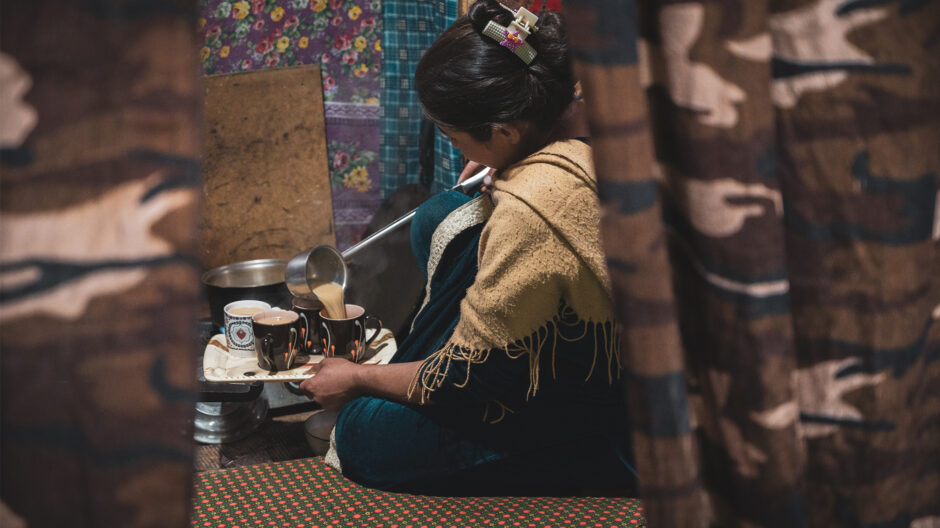
Tea is a love language

When I was growing up my grandmother used to tell me the story of a friend of hers who used to offer chaye in such a reluctant and uninviting manner that no guest of hers would ever leave dignified.  It was always a funny bit to me. In our big cities, there are only a handful of people you can actually share an intimate cup of tea with. Old friends. Parents. Some close relatives. But to be walking through a village for the first time knowing you’re probably never going to return, to be invited into the home of a stranger, for the simple, ordinary act of sharing a cup of tea. That is a culture we don’t know much of in our cities. 

Until I had lived day in day out in Kirmin for weeks on end, I never knew there was such a stark difference in the offering of chaye we have in Punjab as compared to that in remote valleys of the mountains. Coming from a rural family I have been addicted to chaye since as long as I can remember.  I even made it a point a couple years ago to make chaye for my guests myself, but that is something I learned not from my own home, but my home in the mountains. Chipursan. And this protocol isn’t reserved only for exotic guests from far off places. It’s for everyone. Everyone.

I have been in love with my cup of chaye for years, but to prepare and share a cup of chaye simply to honour the person of your guest and not take no for an answer, no matter what happens, is another lesson I learned from Chipursan and it’s people.

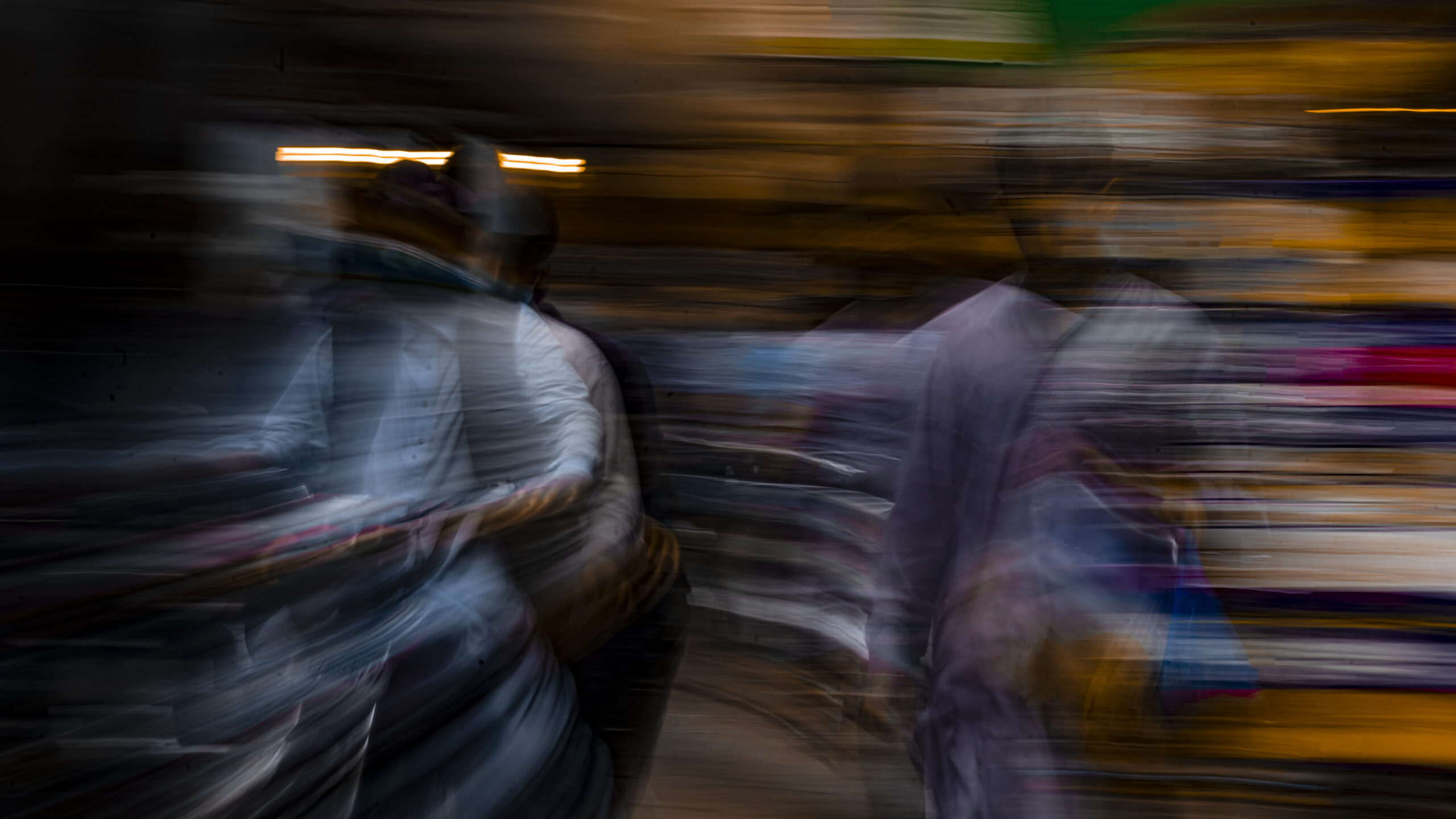
How Lahore is/feels..

Between the camera shops on Lahore’s Nisbat Road, lies a tiny chaye wala dhaaba. Back in the day when we frequented the area looking for gear upgrades or to pick up prints or just to be out and about, the dhaaba was on the top of my list of essential stops to be made. The chaye, the ambience, local community getting small plastic bags of chaye packed on their rides home.

For any camera enthusiast from Lahore, the Nisbat-Chamberlaine Road junction in the heart of old Gawalmandi is a symbol of hope and prosperity. Of creative adventure, of growing up and taking control of your life. It was for me, at least. And it has always been.

Last week I was on assignment in Lahore, close to the area, documenting street vendors. To no one’s suprise I was met with routine hostility towards my camera. “Bhai tujhay hamara khokha hi mila tha? Ja kahin aur ja k video bana”. But not having lived in Lahore for the better part of 2 years, it unnerved me. Mostly because I’m outgrowing the city. I’m outgrowing its chaos and its traffic and its pollution and just the notion of ever actually living there again. And then that day for the first time since I’ve moved away I felt as if the city had finally started outgrowing me too. I was unnerved a little more. And I found myself wanting to go back to this dhaaba to feel my feet on the ground a little bit.

It didn’t disappoint.