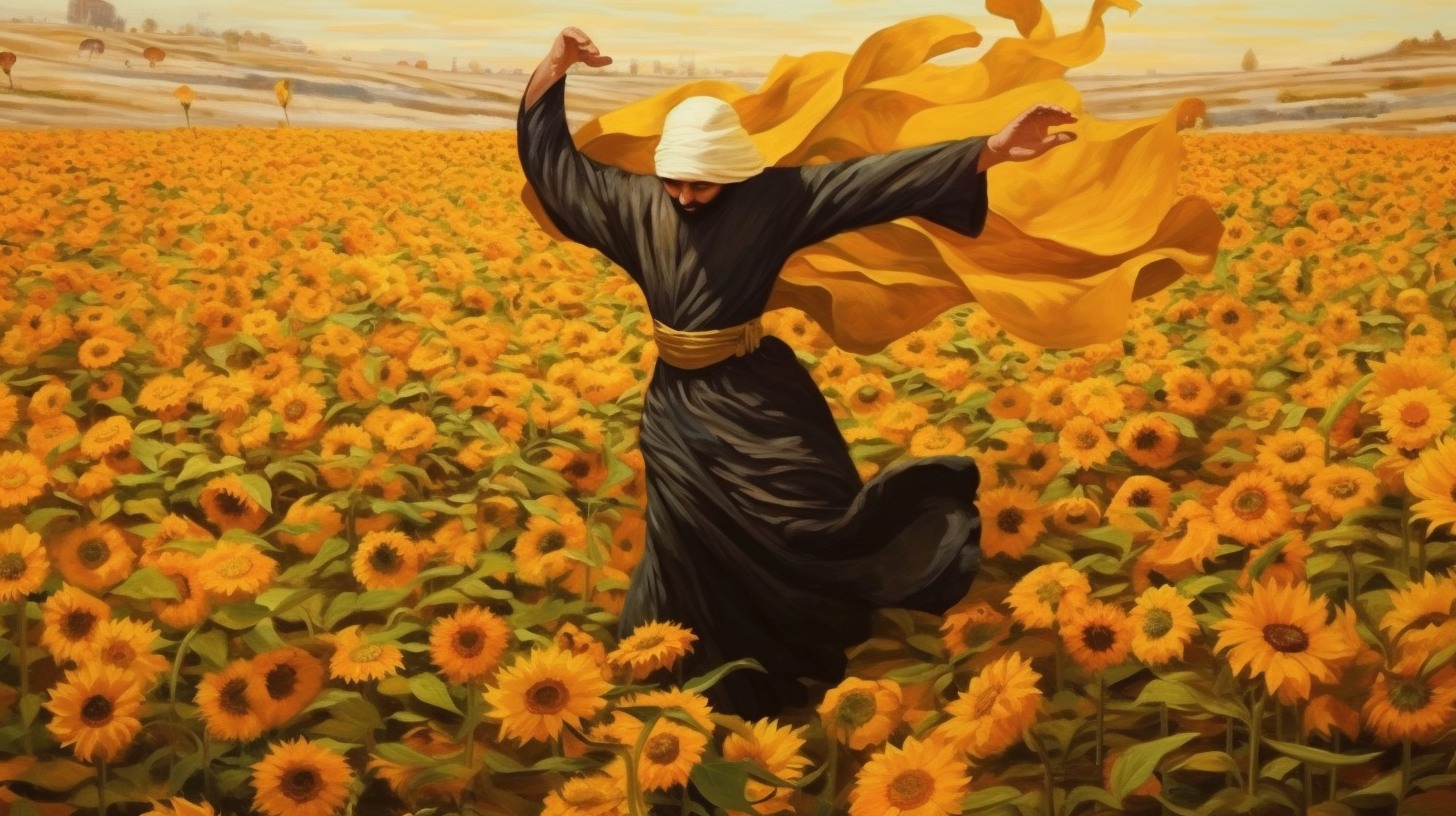
Lately just wanna fly

Lately just wanna fly.

I need to be everywhere and do everything and know everyone. But as soon as I get there and do everything and know everyone I need to be everywhere else and do everything else and know everyone else. It never stops. I may finally be coming to the stone cold realization that this is no desire to get somewhere else as much as it is the need, the instinct, to just not be here. Here. Right now. Where I am. Who I am. Was I always like this? 

Despite all my abundance of energy and tendency for mental gymnastics, I cannot figure this one out. 

Despite mostly winning (in my current phase of life) from the near perpetual state of being that needs me to fly, I’m not feeling well. I keep myself grounded in reality and normalcy and righteousness and safety and never pay heed to my fantasies, to my visions of white skies above a silver horizon of snow capped mountains. To the soft breeze gently kissing my forehead, running through my hair. I never dwell in my dreams of constantly moving. Dream of constantly trying to get higher and higher. I don’t give in, I have never given in to thrill and verve and the desire for constantly searching for new warmth. My feet are on the ground but my head is under it, it feels. There is a stillness and a slowness around me. But I’m dizzy. Comfort is in endless supply but I’m perpetually tired. Why am I like this? 

I have memories of a different me. Another, alternative, younger, kinder, softer. Sometimes in the quiet light I feel his presence behind me and I turn to look. And he’s always there. Fully awake. Wide eyes. Still. Sometimes we don’t even exchange a glance. Sometimes we sit together for hours and read through volumes of memories long gone, long forgotten. So many dreams and stories and lived experiences and adventurous encounters with the universe. So many gifts exchanged. So many wonders in promise. Richness. Depth. Unknowns. And now I’m in a fever-dream aquarium for the same universe to quietly, simply observe from a distance and throw in the occasional treat to ensure minimum survival. But I feel like a fish out of water. 

Lately just wanna fly.
From oceans of Light

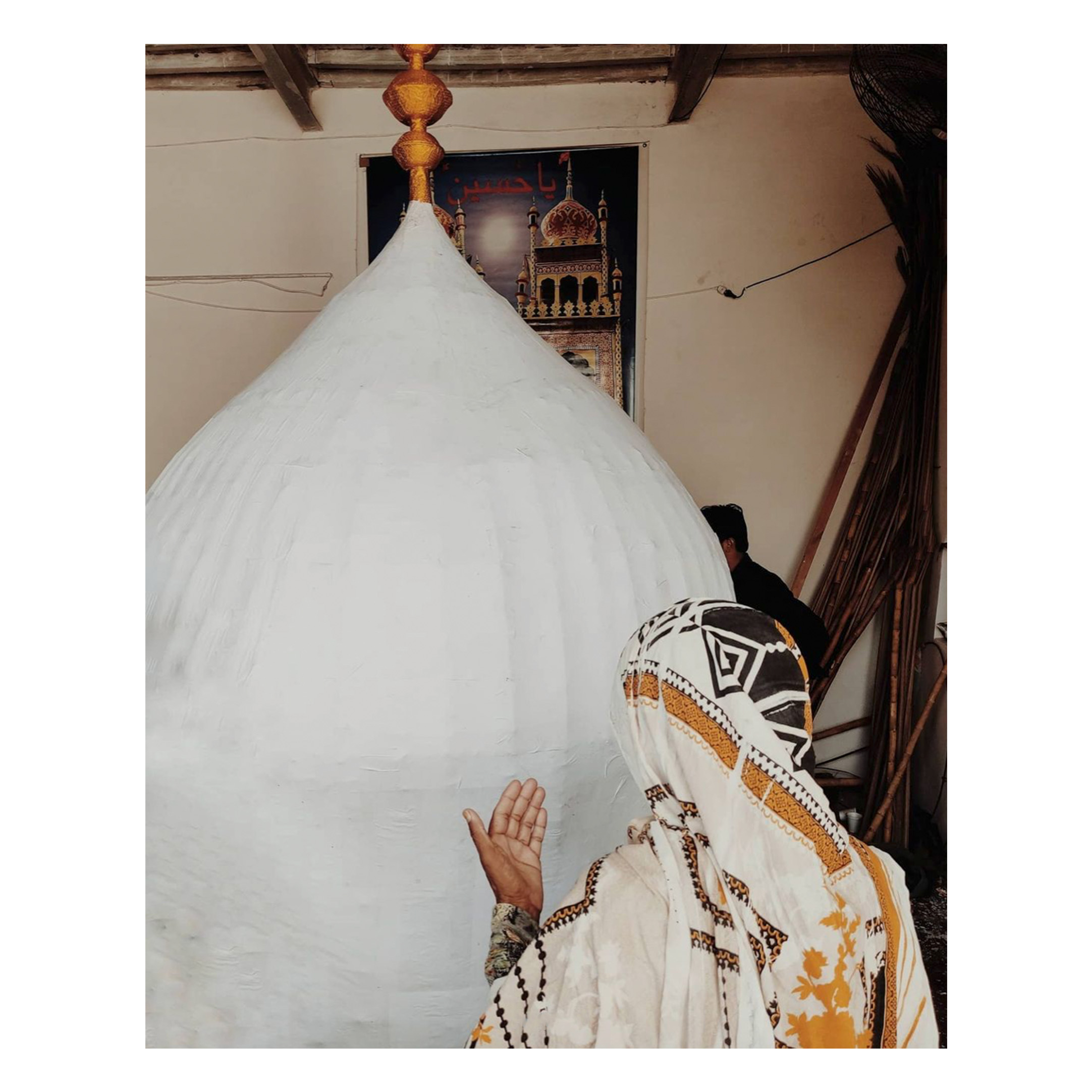
Among Shia works of the Safavid era, Baqir Majlisi’s writings (his most popular work is the Bihar al Anwar, 10th century collection of Ahadis) on Karbala are characterized by an insistence on the predestinarian quality of Imam Hussain’s sacrifice.

In the chapter “The ways in Which God informed his Prophets of the forthcoming martyrdom of Hussain” – Majlisi relates a Hadith (a report concerning deeds and sayings of the Prophet and his family) to the effect that Umm Salamah, the Prophet Muhammad’s wife, entered her husband’s quarters one day to find him weeping and clasping his infant grandson Hussain to his breast. Alarmed, Umm Salamah sought the reason for his distress, and her husband replied that he had just been visited by the angel Gabriel, who had announced to him the future martyrdom of Hussain. Umm Salamah suggested, “O Prophet of God, ask Him to lift this fate from Hussain.” Muhammad replied: “I have already done so. But God has revealed to me that Husayn will attain to a spiritual rank never reached by any other created being. Furthermore, he will have a Shiah, a band of followers, who will attach themselves to him in devotion, and who will therefore benefit from his intercession on their behalf. In addition, the Mahdi will be one of his descendants.”

To support his view of Karbala Majlisi subjected passages of the Quran to ta’wil, the process of reading scripture with an eye to its esoteric meaning. In doing so Majlisi articulated a typology in which events from ancient history could be seen to prefigure the life and death of Hussain. In the Bihar al-anwar Majlisi expands the Quran’s relatively brief references to Noah and the Flood so as to establish a link with Karbala. Majlisi’s account has Gabriel descend from heaven to direct Noah in the construction of the Ark. First Noah, in accordance with divine instructions, hews lengths of teakwood for planking. The angel then hands Noah a chest filled with nails to be used in the ship’s construction. When the vessel is finally completed, five nails remain in the chest, each of them aglow with a curious light, “just as the glittering stars give forth light on the horizon” (an echo of the celebrated “light verse,” Quran 24.35). Intrigued, the patriarch asks about these spikes and learns that they symbolize the Prophet Muhammad, his daughter Fatima, her sons Hassan and Hussain, and her husband Ali.

One nail in particular draws Noah’s attention, for it glistens as if wet with dew.
“This is blood,” Gabriel explained; and he told Noah the story of Hussain and of what the members of his own Muslim community would do to Hussain in the future. The angel instructs Noah to fasten all five spikes to the forepart of his teakwood vessel. This is an appropriate symbolic action, for the Ark typologically foreshadows the salvific action of the Imam’s family: like the Ahl-e Bayt (the members of the Prophet’s household), this vessel becomes the means whereby a righteous minority achieves deliverance from a fallen world. Knowledge of the esotericist linking of the Flood with Karbala is by no means limited to an educated few: in Shia shrines as far apart as Damascus and Hyderabad, inscriptions proclaim, “Hussain is the lamp of guidance and the Ark of salvation.”